

From Cave Walls to Chrome
How Humanity’s Oldest Art Form Lives On in Custom Car Culture
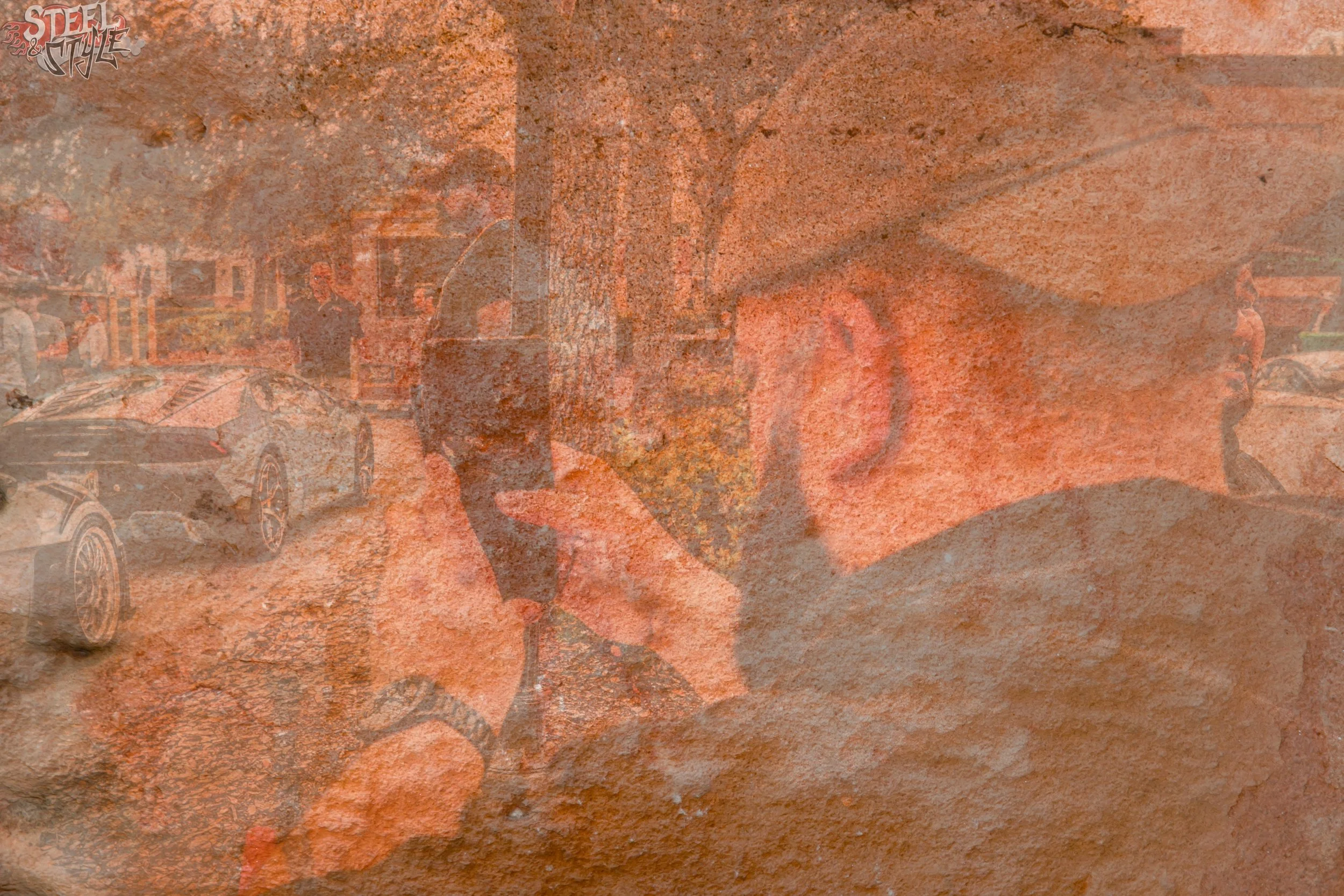
The Record Keeper
Photographers serve as the modern cave painters of automotive culture, documenting machines and moments that define the scene.
More than thirty thousand years ago, long before engines, highways, or chrome, early humans were already artists.
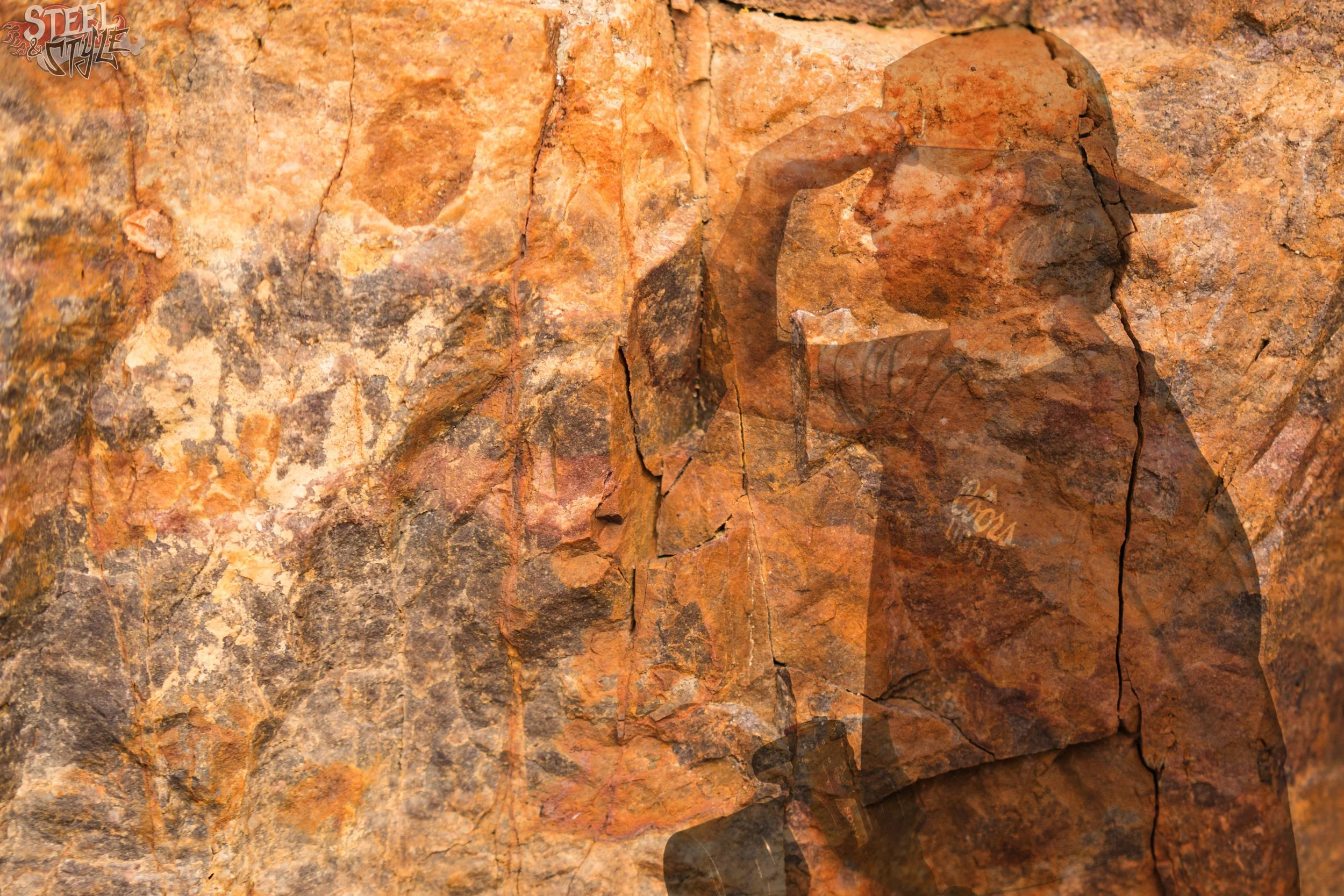
The Observer
Enthusiasts gather around machines the same way early humans studied animals—watching closely, learning details, and admiring strength.
Deep within the limestone chambers of Chauvet Cave in southern France, prehistoric artists used charcoal and mineral pigments to create some of the most extraordinary works of art ever discovered. Horses stretch across the rock walls in mid-gallop. Lions appear in pursuit of prey. Rhinos and bison overlap in layered motion, as if the artists were attempting to capture movement itself.
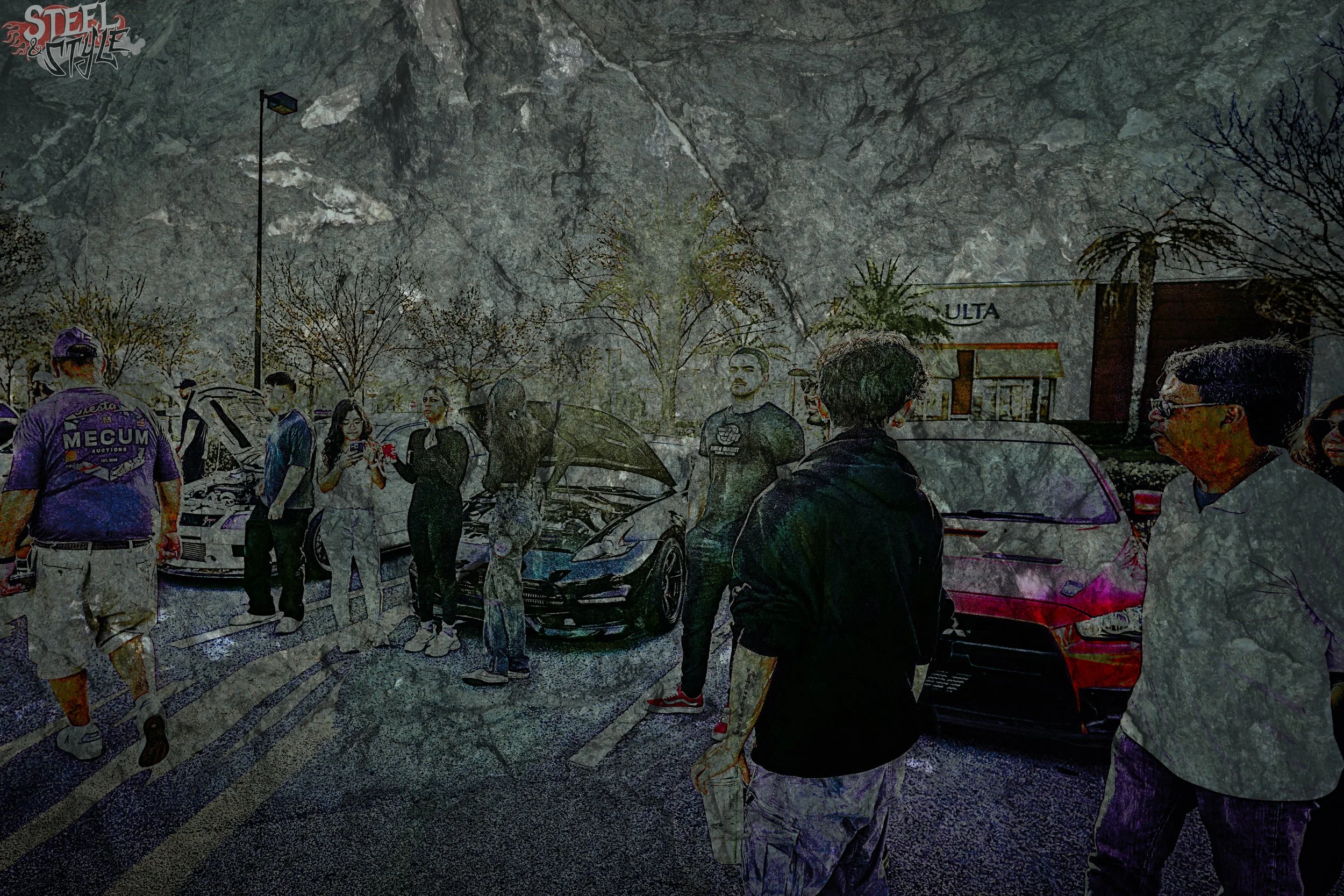
The Tribe
Car culture is built around community. Builders, enthusiasts, and photographers gather together to celebrate creativity, engineering, and shared passion.
These paintings are not crude sketches. They show deliberate composition, perspective, and even an early understanding of animation. Many of the animals were drawn multiple times with slight variations in leg position, giving the illusion of motion when viewed by flickering torchlight.
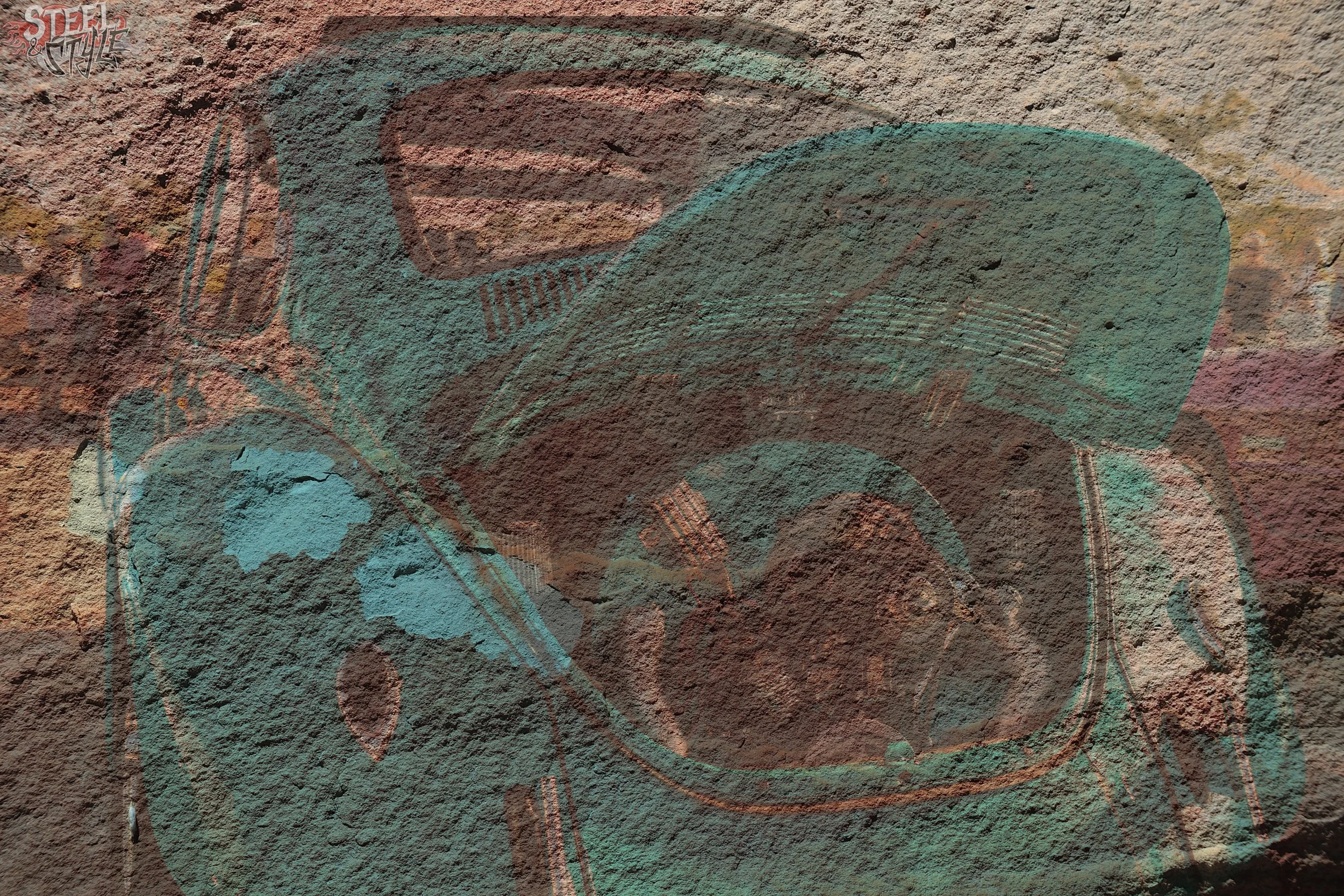
The Rolling Shell
Rounded silhouettes like this echo the organic shapes early cave artists captured with simple charcoal lines.
What the artists were doing was revolutionary for its time.
They were documenting the world around them.
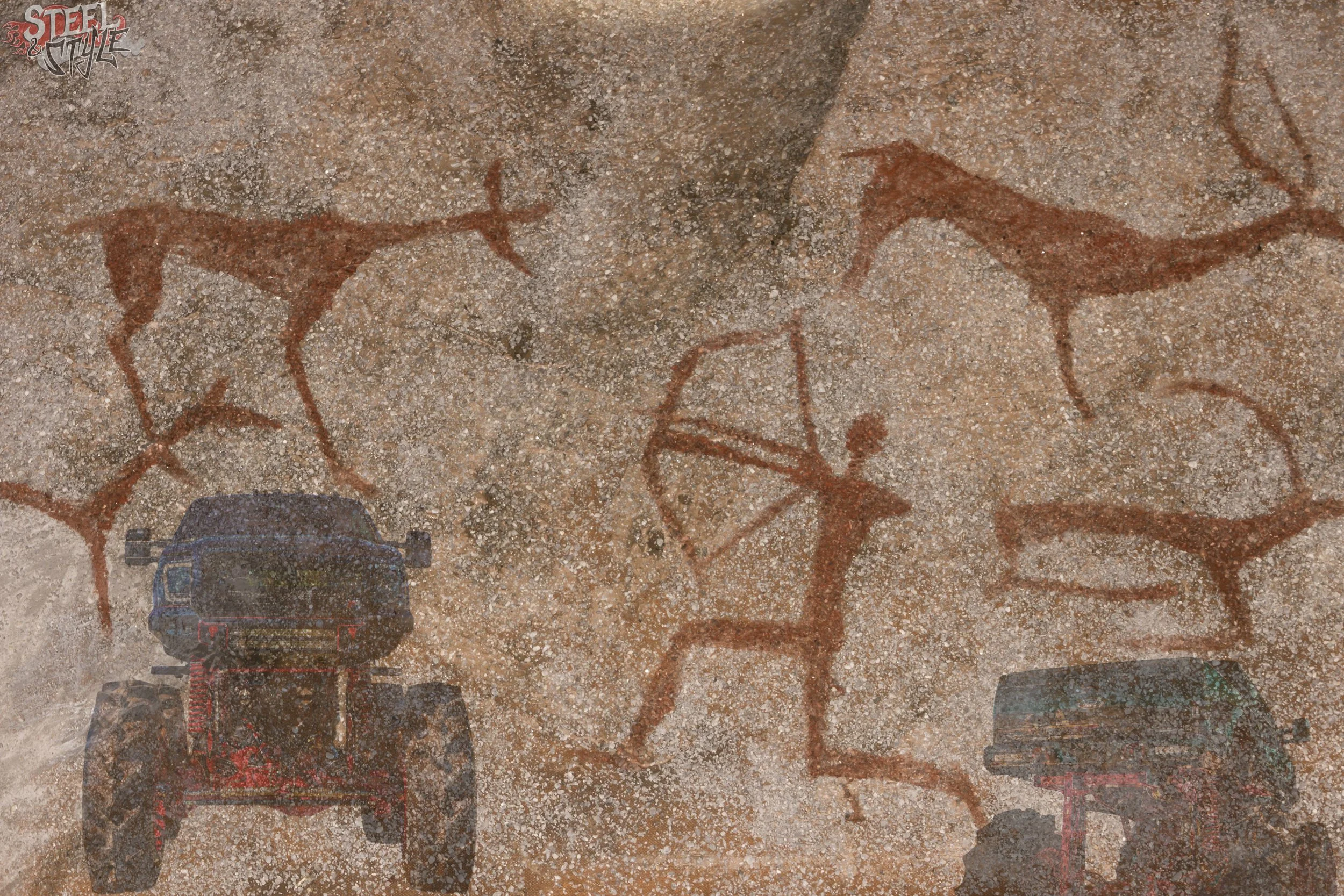
The Mechanical Beast
If prehistoric artists had witnessed machines instead of animals, shapes like this might have appeared beside horses and bison on cave walls.
The animals painted in caves like Chauvet were not random choices. They were the creatures that dominated life in the Paleolithic world — animals that inspired respect, fear, and fascination. These paintings were a way for early humans to understand and celebrate the power and movement that surrounded them.
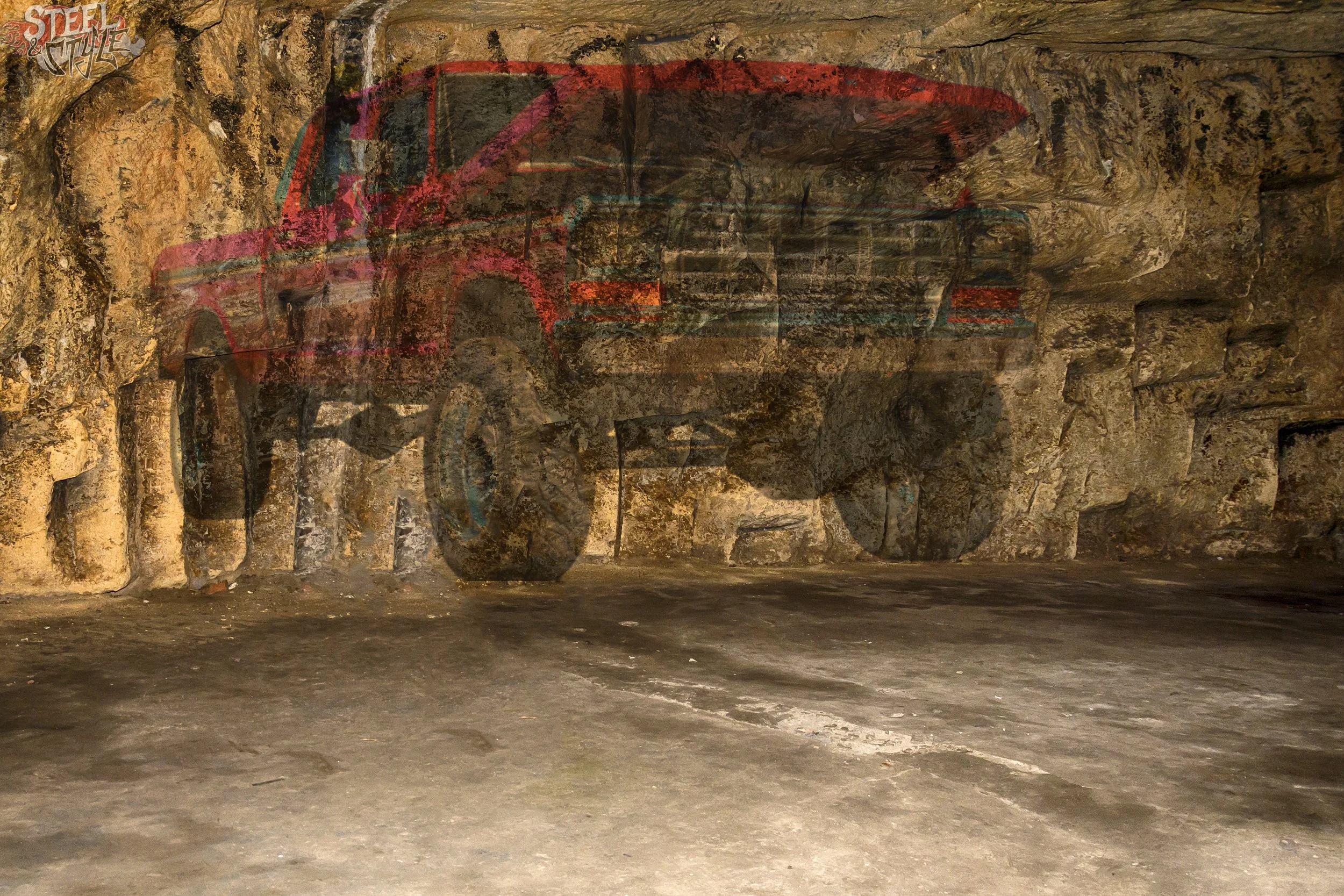
The Workhorse
Strength and endurance defined the animals ancient artists admired most. Trucks carry that same symbolism today.
In many ways, those ancient artists were doing the same thing that enthusiasts and builders do today.
They were turning the objects that defined their world into art.
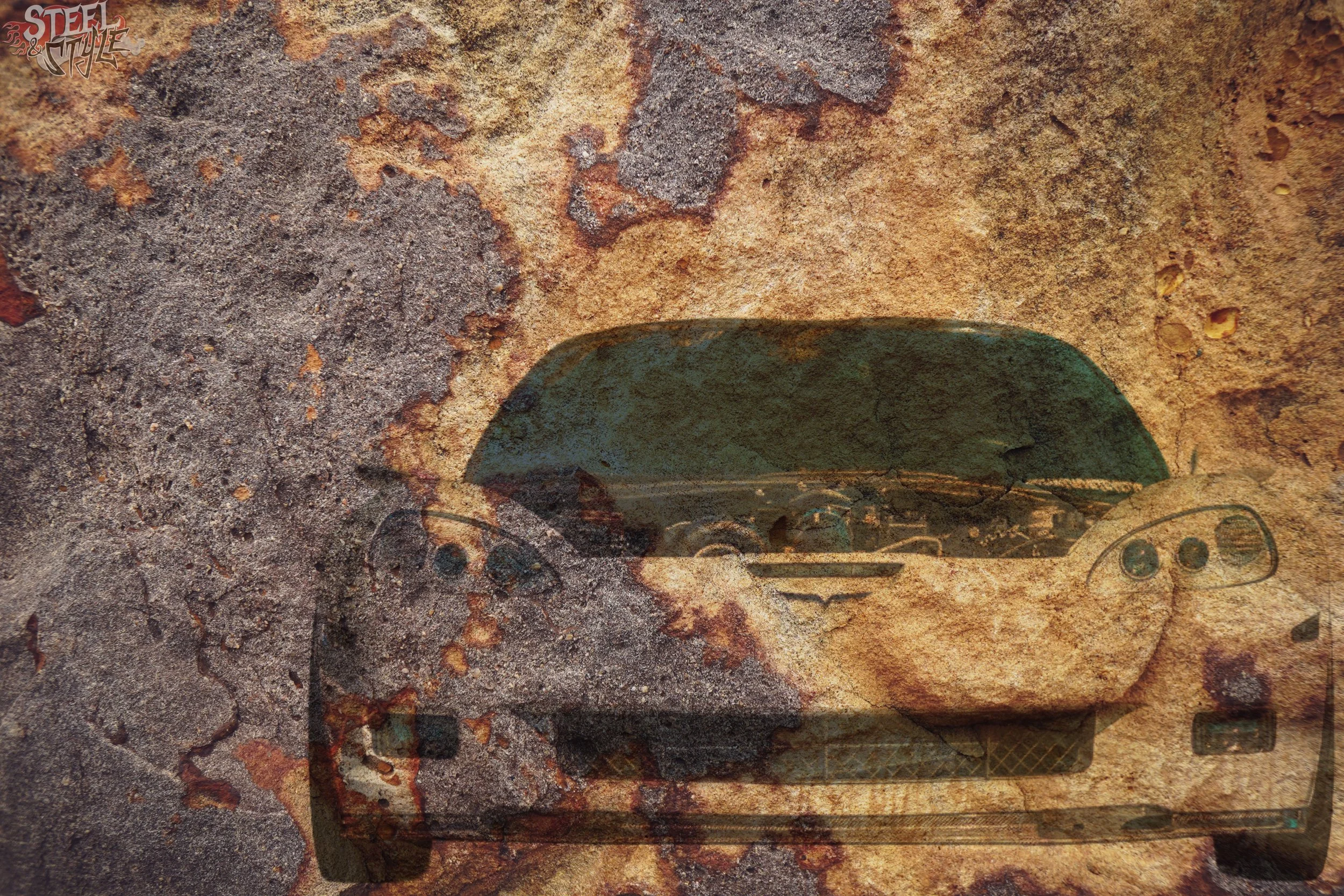
The Modern Hunter
Low stance, wide wheels, and sharp lines give this machine the posture of a predator.
Thousands of years later, the creatures that capture our imagination have changed. Instead of wild horses and charging bison, modern culture is fascinated by machines. Cars have become symbols of freedom, engineering, identity, and personal expression. And just like the animals painted on cave walls, they are admired for their power, movement, and form.
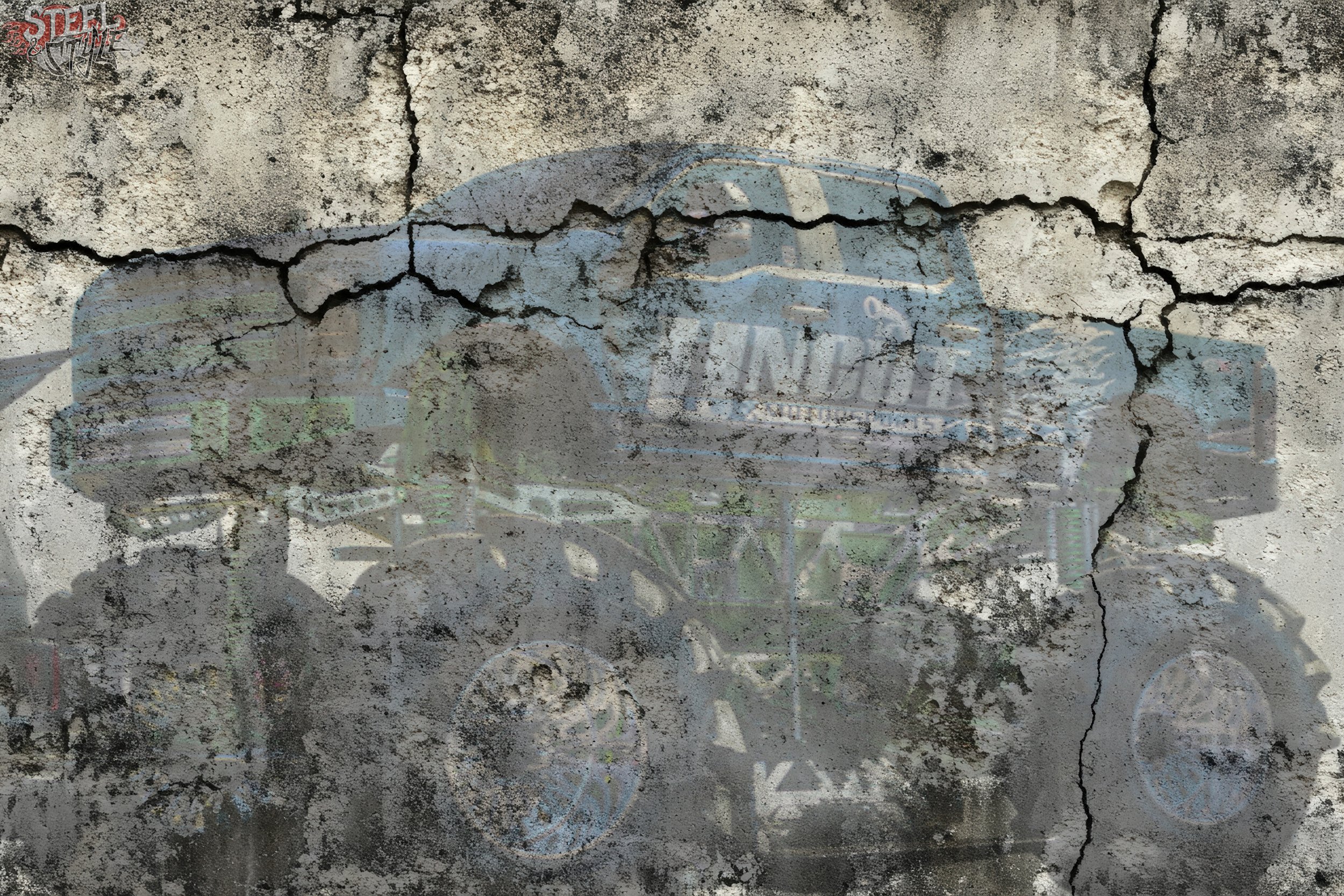
The Iron Totem
Front-facing machines often feel symbolic, forming a mask-like presence much like animals depicted in ancient cave paintings.
Walk through a car show today and you’ll see something remarkable: people gathered around machines the same way early humans gathered around the animals that shaped their lives.
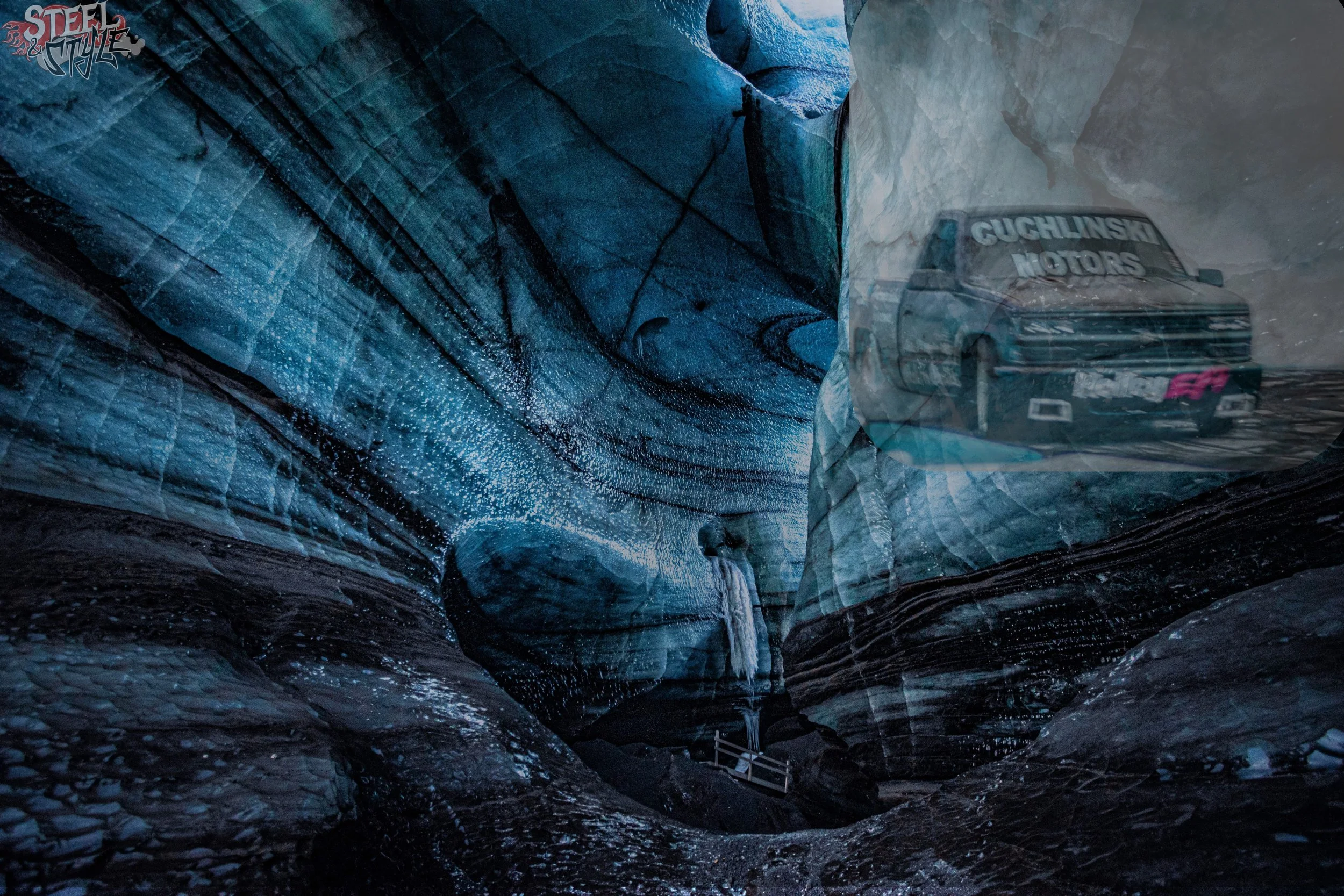
The Ritual of Smoke
Burnouts and tire smoke create a spectacle of power and motion that draws crowds.
They study the curves of a body line.
They admire the exposed mechanics of an engine.
They photograph details that reveal the craftsmanship of the builder.
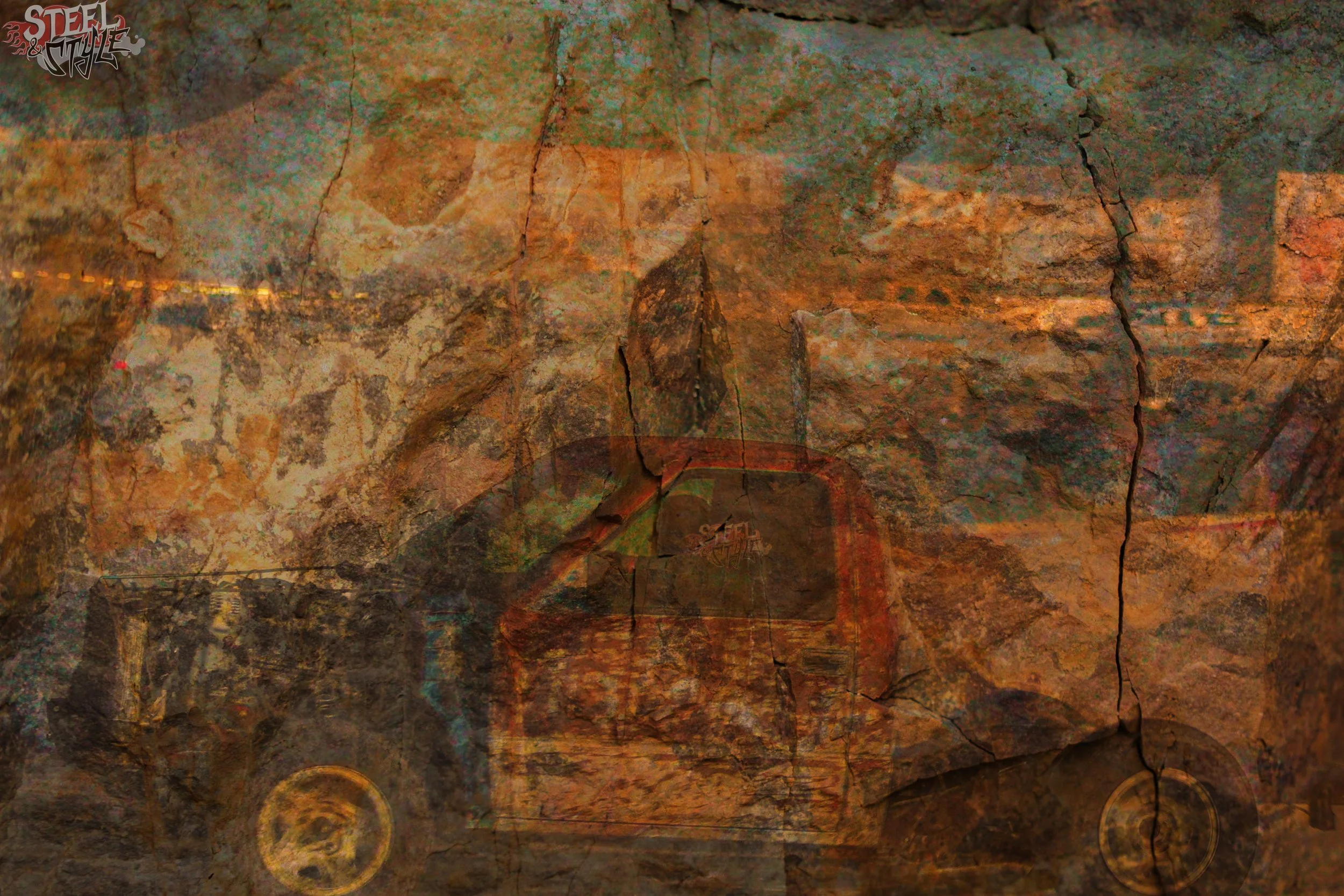
The Raw Machine
Not every build is polished and perfect. Some exist purely for performance.
The automobile has become a new kind of artistic subject.
Custom car builders approach their work much like the prehistoric artists who painted the walls of caves. Instead of charcoal and mineral pigments, they use sheet metal, welding torches, paint guns, and machining tools. The process is different, but the instinct is exactly the same: transform something functional into something beautiful.
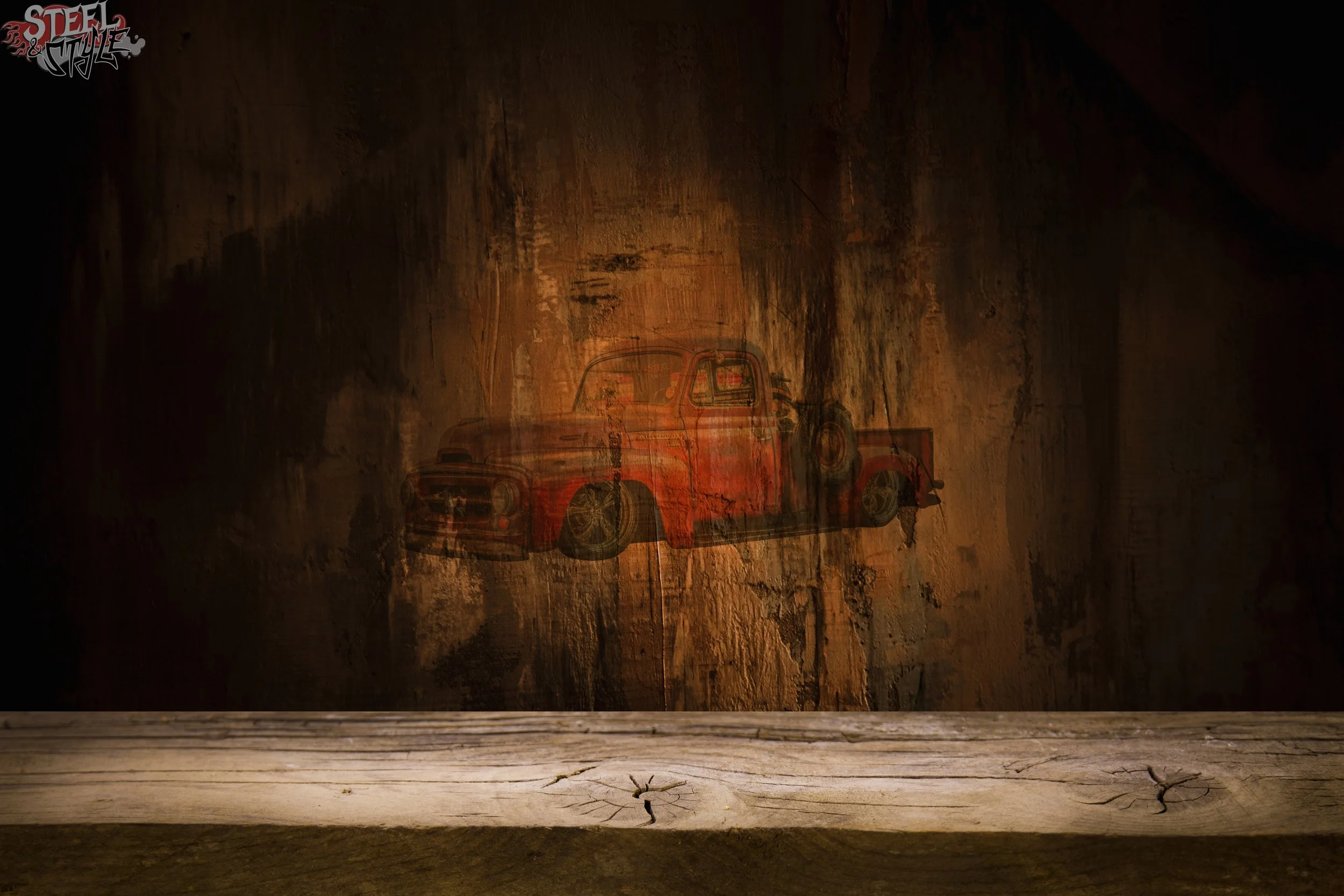
The Iron Relic
Patina and weathered metal tell stories of time and endurance.
A long hood and low stance suggest speed even when the car is parked.
Wide tires and aggressive bodywork communicate power.
Intricate paint and metalwork add personality and storytelling to the machine.
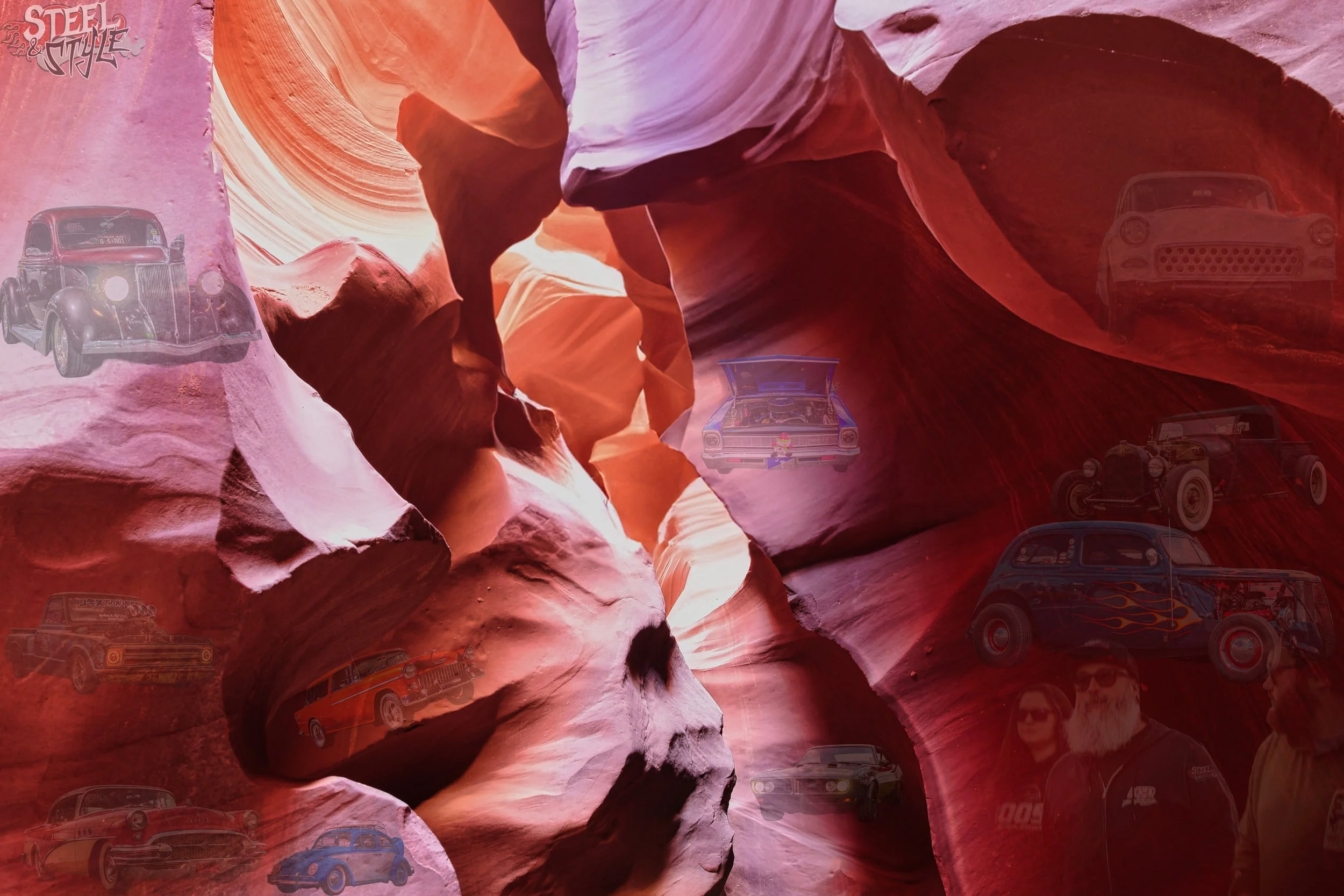
The Culture Keeper
Every culture has its storytellers and elders guiding the next generation of enthusiasts.
These vehicles become mobile works of art — sculptures that move through streets instead of remaining fixed to stone walls.
In the prehistoric world, art lived inside caves where only small groups might see it. Today, art rolls down highways, parks at cruise nights, and gathers crowds at car shows across the country. Instead of torchlight illuminating cave paintings, modern enthusiasts capture these machines with cameras and share them instantly with the world.
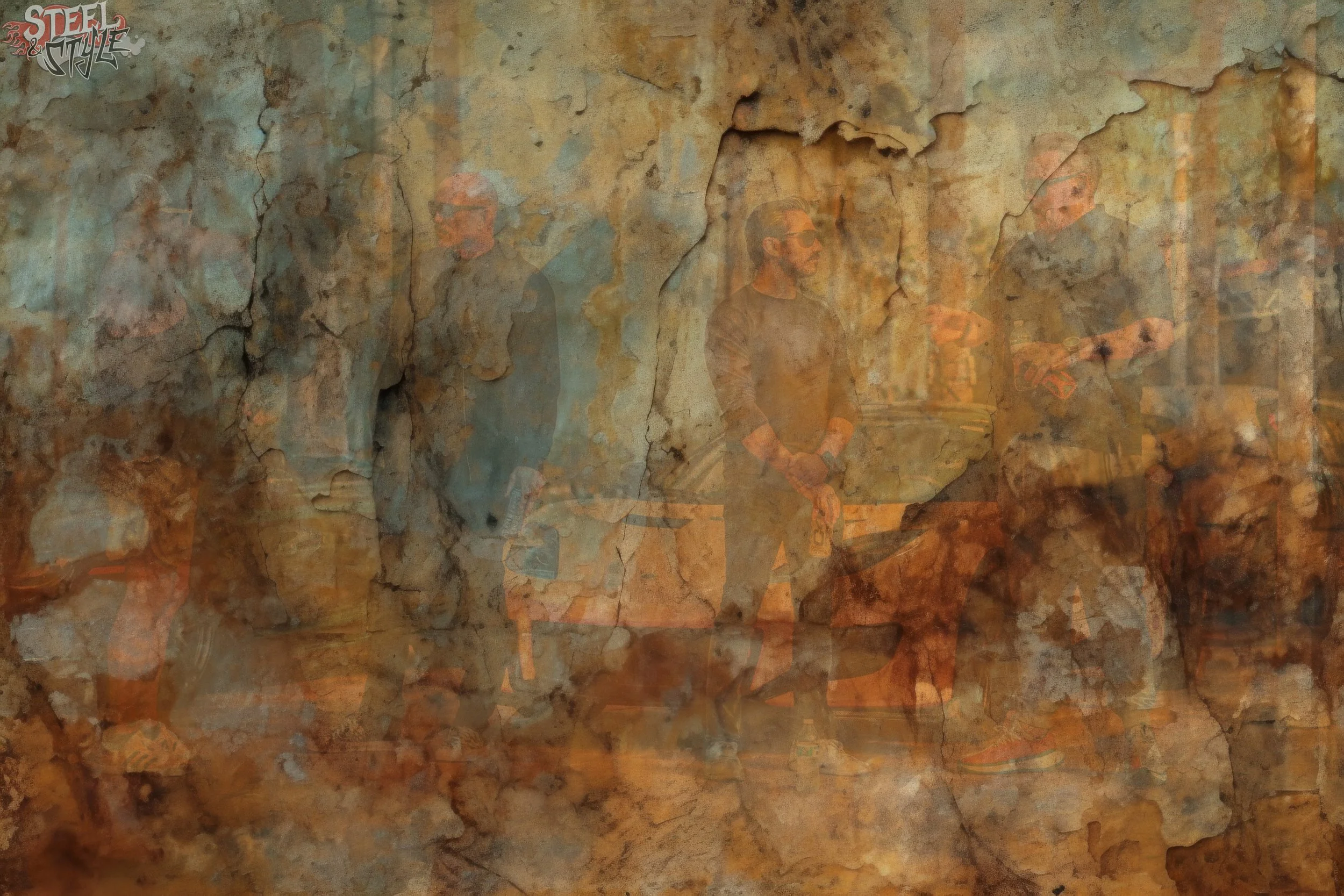
The Living Gallery
Parking lots become temporary galleries where automotive art gathers.
The medium has changed.
The instinct has not.
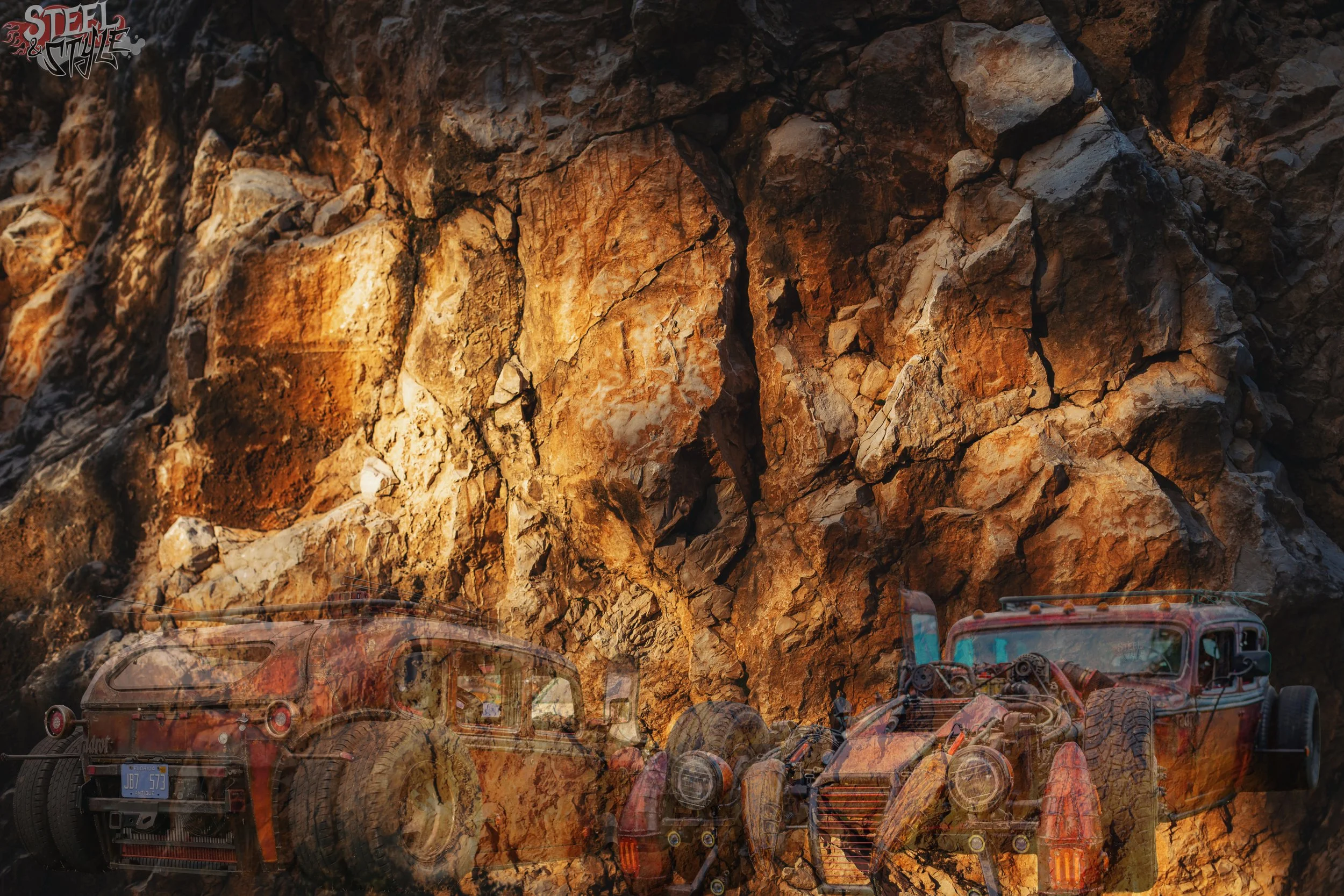
The Mechanical Totem
Machines often become symbols of identity for those who build and drive them.
Humans have always created art inspired by the things that move them — literally and emotionally. For our ancestors, those subjects were the animals that defined survival. For modern enthusiasts, the subject is horsepower, engineering, and design.
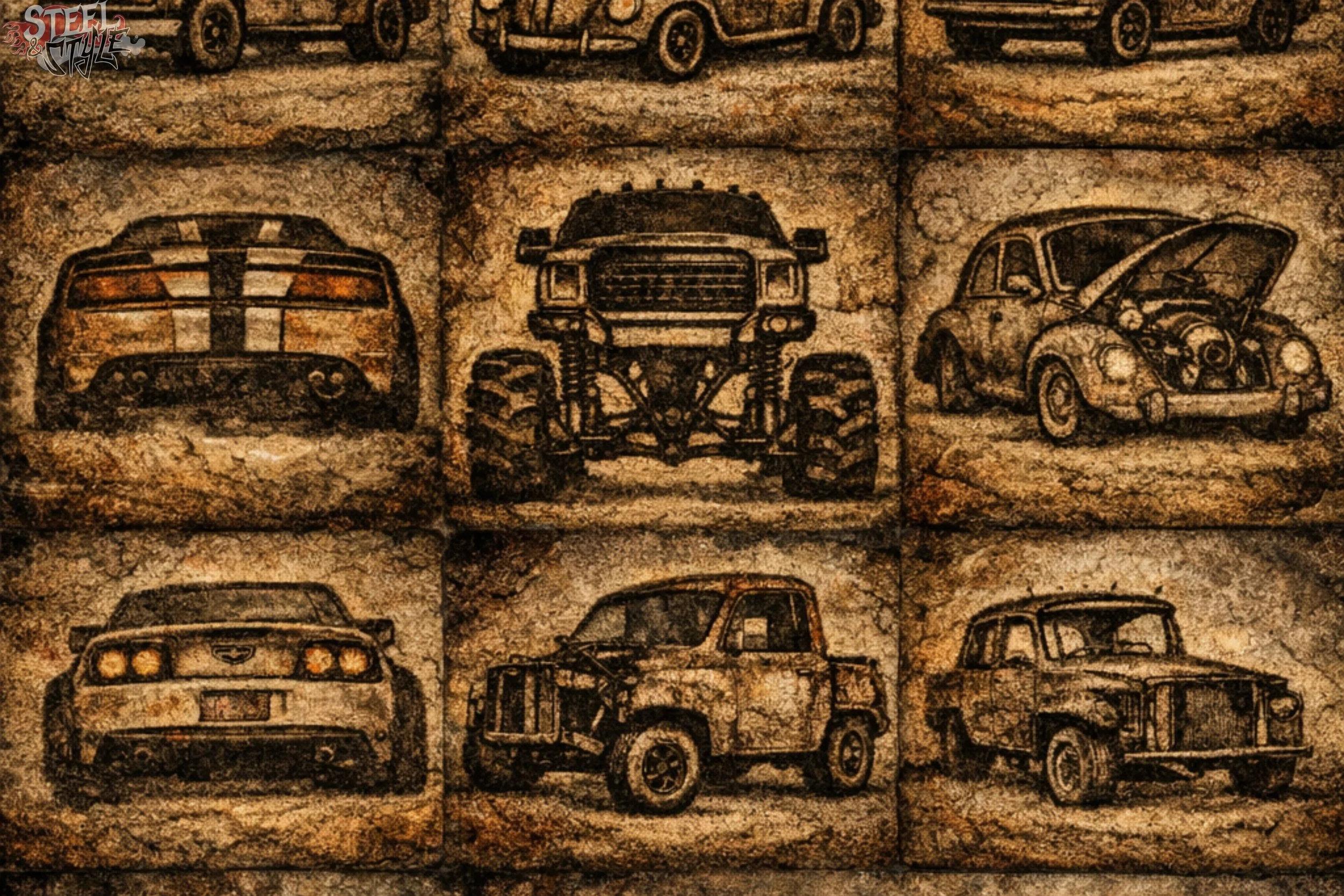
The Evolution of Art
From charcoal drawings on cave walls to custom machines roaring across pavement, humanity has always turned the things it admires most into art.
When you look at a beautifully built hot rod, a carefully restored classic, or a wild custom build, you’re seeing the continuation of a tradition that stretches back tens of thousands of years.
The canvas is no longer stone.
